
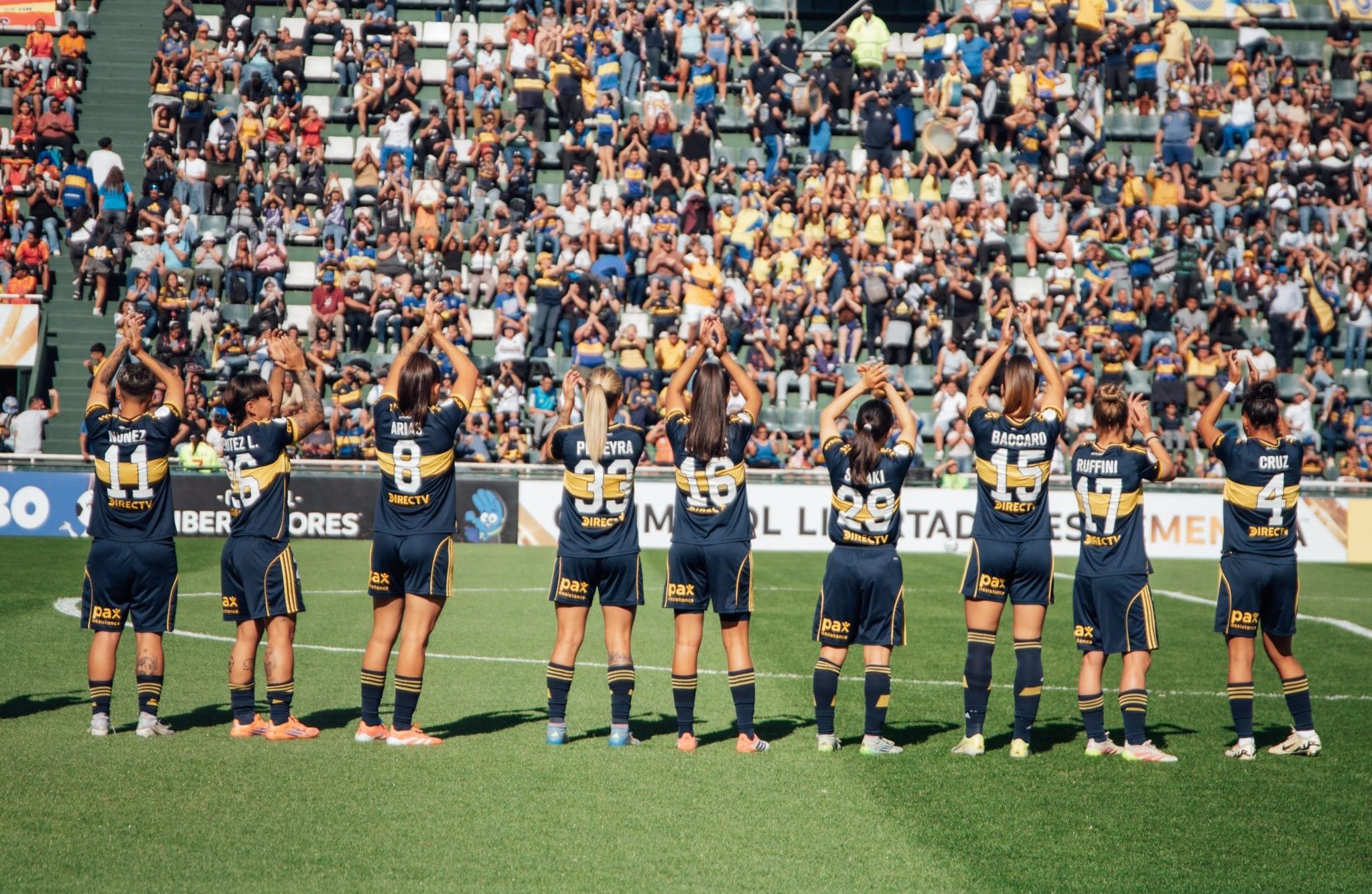
Tras los reclamos de las jugadoras en la edición 2024, te contamos qué cambió en la organización y gestión de la Conmebol Libertadores.
El 2024 fue un año muy particular para los equipos sudamericanos que compitieron en la Conmebol Libertadores. El torneo internacional iba a jugarse en un principio en Uruguay, sin embargo, por disposición de Conmebol y,faltando 35 días para el inicio del torneo, la Asociación Uruguaya de Fútbol anunció que no sería la sede.
Descargá la guía FutFemGol de la Conmebol Libertadores Femenina 2025
Esto le afectó negativamente a los equipos uruguayos que iban a competir, Nacional y Peñarol, ya que tenían dos plazas por ser anfitrionas y finalmente fueron las Carboneras las que viajaron a Paraguay, que fue sede por tercera vez en la historia.
Pasado esto, una vez que inició el torneo, la organización no parecía ser la mejor: las jugadoras debieron hacer la entrada en calor fuera de los campos de juego y jugaron en dos estadios cuyas canchas no estaban en buenas condiciones.
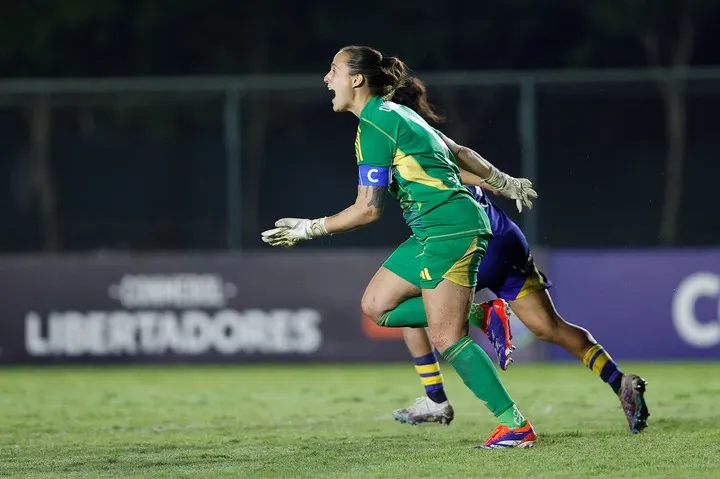
Laurina Oliveros, arquera de Boca Juniors, fue una de las que alzó la voz en una entrevista después de un partido. “Así no es la manera de crecer, jugando cada tres días con el calor que hace, es una locura. No entra en ninguna cabeza”, reclamó y deseó en voz alta: “Ojalá podamos equiparar algún día con el torneo masculino para que estén todas sanas y a la altura de poder disputar un torneo como corresponde, porque todas las jugadoras nos merecemos mejores condiciones”.
¿Qué cambió desde esa Libertadores en Paraguay a esta edición en Argentina?
Este año la Conmebol Libertadores se está jugando en Argentina, en el estadio Florencio Sola, de Banfield, y en el Nuevo Francisco Urbano, de Morón. Boca y San Lorenzo son los equipos argentinos que están en competencia y, en ambos planteles, hay jugadoras que atravesaron otras ediciones y que, tras los reclamos particularmente del año anterior, notaron algunas diferencias.
La primera en pronunciarse al respecto fue Vanina Preininger, quien supo jugar la final contra Palmeiras con la camiseta de Boca en su edición del 2022. “Lo bueno es que las entradas en calor son en la cancha, eso es muy positivo. El estadio de Banfield y su cancha están hermosos. Eso sí, falta más difusión para que venga más gente y todo el fútbol femenino de Argentina tiene que venir a bancar a los equipos”, le dijo a FutFemGol.

Por su parte Lauchi Oliveros también volvió a pronunciarse respecto a las condiciones en esta edición. “El hecho de que haya una plantilla un poco más grande, con 23 jugadoras, te cambia porque tenés más recambio; el VAR es una herramienta que suma y le da visibilidad. Hay que mejorar los días entre partidos, eso es fundamental, porque el desgaste físico que tenemos todas es impresionante; y los campos de juego, porque Banfield está impecable pero Morón dejó un poco que desear. Estaría bueno agregar alguna cancha, también para cuidar estos campos”, analizó.
Otra jugadora que se sumó a la reflexión fue Carolina Troncoso, quien marcó el primer gol de las Gladiadoras en esta edición de la Libertadores. “La entrada en calor la hicimos en un cuadradito chiquito. Hay muchas cosas para mejorar y esa es una de ellas, siempre pasa en la Libertadores que tenemos poco espacio para la entrada en calor, y son cosas que estaría bueno mejorar”, pidió.
Si bien sabemos que falta mucho, hubo un avance concreto en la organización de esta edición de la Conmebol Libertadores y las jugadoras lo reconocen. Ahora queda, por sobre todas las cosas, ajustar el calendario para que el torneo de clubes más importante de Sudamérica no se juegue en menos de un mes y abrir más estadios para que el espectáculo deportivo crezca cada vez más.